Event Hosting 101: So You Want to Throw a Fingerboard Event?
So you want to host a fingerboard event.
First of all: LET’S GO!!
Second of all: what have you gotten yourself into?
Just kidding. Sort of.
Hosting a fingerboard event can seem like a huge undertaking, but it really doesn't have to be. You don't need a giant venue, a mountain of sponsors, or a production crew with clipboards and headsets.
You mostly need a place, some stuff to skate, a little planning, and enough people who are willing to show up and push some tiny skateboards around.
I've hosted and participated in quite a few events over the years, and there are definitely some lessons I've learned along the way. So if you've ever thought about hosting your own fingerboard event, here's your Event Hosting 101.
First Things First: Find Somewhere to Do It
Obviously, you're going to need a place.
This could be a public park, a skate shop, a community space, or even a local business. And honestly, don't overlook businesses. Know someone who owns a café? A bar? A shop? A weird little warehouse that somehow has enough floor space for 30 people to fingerboard? Perfect. A fingerboard event can actually be a pretty cool way for a local business to bring new people through the door. They get customers, you get a venue, and everybody wins.
When you're looking for a location, think about the boring stuff too. How much space do you have? Is there parking? Bathrooms? Tables? Electricity? Are you allowed to be there? Because finding out that you aren't actually allowed to host your event three days before it happens is a pretty effective way to induce anxiety.
And we're trying to take our Anxiety Offline, remember?
Make a Flyer That Actually Tells People What's Happening
Once you've got a place and a date, you need a flyer.
And yes, make it look cool, but don't sacrifice the important information just to make it look sick.
Your flyer should tell people:
What: What's the event?
When: Date and time.
Where: Exact location.
What's happening: Contests? Giveaways? Vendors? Open skate?
Who's involved: Sponsors, brands, shops, etc.
Where to find more information: Social media, website, registration, or whatever applies.
Your flyer is going to become the thing people screenshot, share, send to their friends, and eventually forget about until you post it again three weeks later.
Which brings us to the next point...
Promote the Hell Out of It
This is one of the biggest things I can recommend:
Start early.
Ideally, you should have your major details figured out two to three months before your event.
Why so early?
Because people have lives. Someone might want to drive three hours to your event. Someone might want to bring their fingerboard park. Someone might want to vend. Someone might even have to ask their significant other for permission to spend an entire Saturday playing with little skateboards on little skateparks.
Give people time to figure that stuff out.
The earlier you announce the event, the more time people have to plan around it.
And this is especially important when you're relying on other people to make the event happen. Maybe someone offered to bring a park, but they're going on vacation that weekend. Maybe a vendor has another event. Maybe your potential sponsor needs more time to get products together.
The more notice you give everyone, the easier it is to figure out who's actually going to be there.
And don't just post your flyer once and assume everyone saw it.
Post it again.
And again.
And then again when the event is getting close. Tag the brands. Tag the venue. Get your friends to share it. Post it in relevant groups. Make reminder posts. You don't have to become an annoying social media robot, but you do have to make sure people know the event exists.
Get Some Stuff to Skate
This one seems pretty obvious.
You're going to need something for people to fingerboard on. If you have access to a full-sized fingerboard park, awesome. Bring that thing. If you don't, that's totally fine. Grab whatever obstacles you have and build a setup. Ledges. Rails. Stairs. Banks. Ramps. Whatever.
You can also reach out to other fingerboarders and companies and see if they have obstacles they can bring. You don't need a giant professional park with different lines and a miniature replica of Love Park. You just need enough stuff for people to skate and have fun. And honestly, some of the best sessions happen when you just throw a bunch of random obstacles together and let people figure it out.
Sponsorship: Ask, But Don't Obsess Over It
This is another area where people can get intimidated.
You might think:
"I need sponsors or this event isn't going to be legit."
Nope.
If this is your first event, don't stress about it.
A lot of companies aren't going to sponsor an event they've never heard of. That's completely understandable. They might want to see that you can actually pull off an event and that people are going to show up before they start sending you a box of product. But that doesn't mean you shouldn't ask. Reach out to companies you actually support. Brands you buy from. Companies whose products you use. People you've interacted with in the community. Tell them what you're doing. Tell them when and where the event is. Tell them what you're hoping to accomplish. And you might be surprised. Sometimes all it takes is asking. And if nobody bites?
Who cares?
Go grab some Tech Decks. Pick up some fingerboard-related accessories. Get some grip tape or inexpensive parts. Turn them into prizes. You don't need a $500 prize purse to make somebody's day. Sometimes getting a little piece of gear for landing a trick in a contest is more than enough. Your first event is about building something.
The sponsors can come later.
Have Some Kind of Plan for the Actual Event
This is where the fun part starts. You don't necessarily need a minute-by-minute itinerary, but you should have some idea of what the heck is happening.
Are there contests?
Who's running them?
How are they being judged?
Are there giveaways?
When are they happening?
Where are vendors setting up?
Where are parks getting set up?
Who's helping you?
Who's filming the event coverage?
And what happens if 80 people show up instead of the 30 you expected?
You don't need to have an answer for every possible disaster.
Just have a plan.
Because when event day arrives, you're going to be busy. People will be asking questions. Someone will need an extension cord. Someone will forget something. Someone will ask where the bathroom is approximately 400 times. The more you've figured out beforehand, the easier it is to roll with the punches.
And Then... Something Will Go Wrong
It will. Guaranteed. Something will not go according to plan. That's okay. A good event isn't one where absolutely nothing goes wrong. It's one where you can deal with the things that go wrong without the entire thing collapsing. Maybe a park shows up late. Maybe your contest takes longer than expected. Maybe the weather decides it hates you. Maybe you thought 30 people were coming and suddenly there are 75. or 10. That's part of it. Take a breath. Figure it out. Keep moving. And remember that most people attending your event probably have no idea what your original plan was anyway. If they're skating, hanging out, meeting people, and having a good time, you're probably doing just fine.
Document the Hell Out of It
This one is really important.
You spent all this time planning the event, getting people there, finding sponsors, setting up the park, and creating a fun day.
Don't let all of that disappear when everyone goes home.
Take photos.
Take videos.
Get action shots.
Get candid shots of people hanging out.
Get shots of the venue.
Get shots of the obstacles.
Get footage of the contests and giveaways.
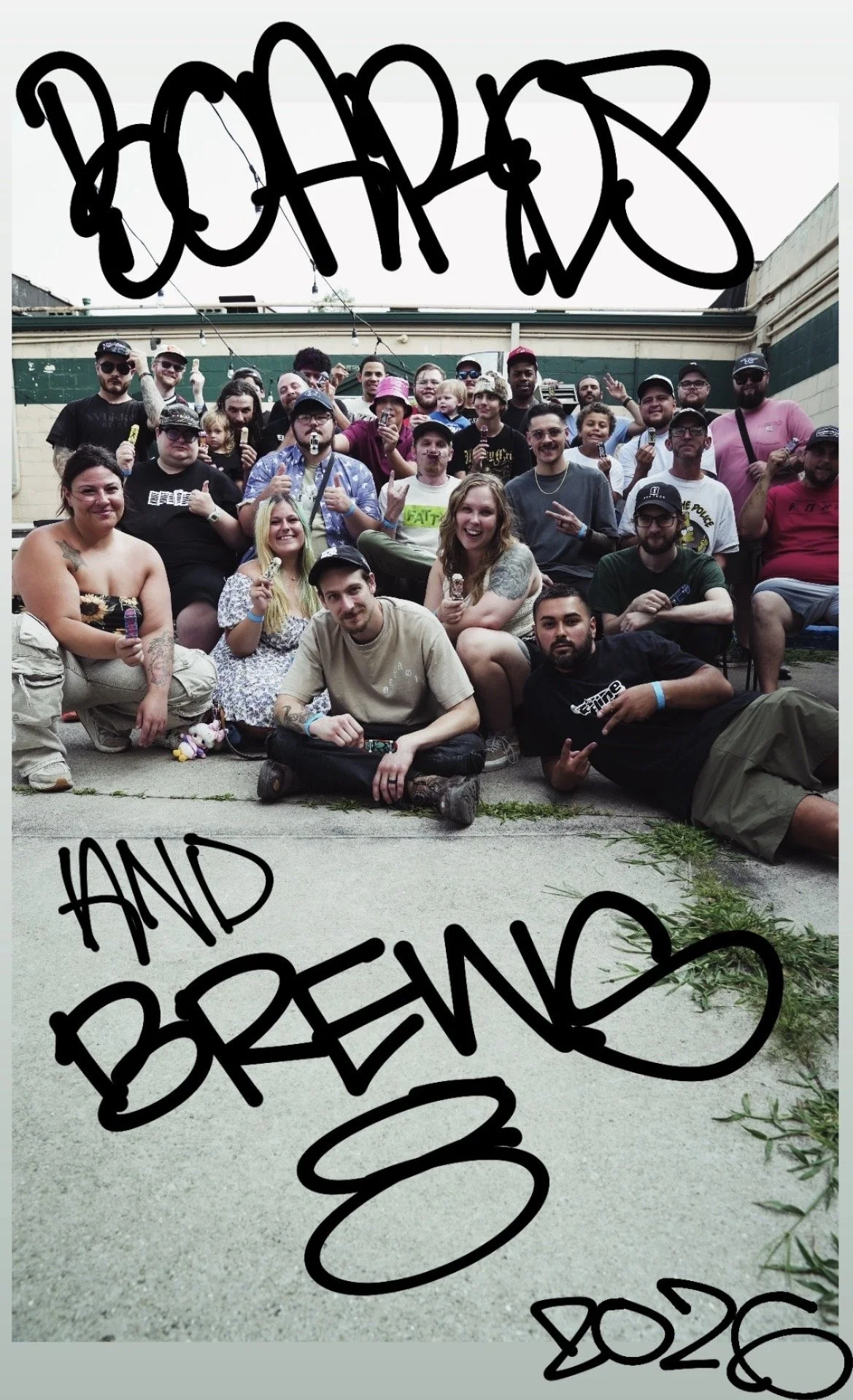
And for the love of fingerboarding, get a big group photo.
Document the day. You want to capture what the event actually felt like—not just what it looked like. Get the weird moments, the funny moments, the insane tricks, the people laughing, the vendors talking to customers, and all the little things that make the event feel like a community. And this isn't just about having memories.
It's marketing.
Your sponsors will love seeing photos and videos of people actually using and enjoying the products they helped provide. Your venue will love seeing the turnout and the positive experience people had at their location. And you now have a whole library of content that you can use to promote your next event.
Post a recap.
Make a video.
Make a photo dump.
Cut together some reels or shorts.
Put the group photo on the next event flyer.
Tag everyone involved.
Show people what they missed.
Then, when you're ready to announce your next event, you already have proof that the last one was awesome.
Your event isn't just a one-day thing. The content you create at that event can keep working for you long after everyone packs up their fingerboards. So bring a camera. Bring your phone. Get your friends to help. Just don't spend the entire day behind the camera either. Document the fun—and then put the camera down and actually have some fun.
Learn From It
Okay. Everyone went home. The obstacles are packed up. Your phone is full of 800 fb clips.
Now what?
Take a minute and think about what happened.
What worked?
What didn't?
What would you change?
Did you need more obstacles?
More tables?
More help?
Better promotion?
Did the contests take way longer than you expected?
Write it down. Seriously. Because your second event is going to be better than your first. Your third will be better than your second. Every event teaches you something. Maybe you discover that you need more volunteers. Maybe you learn that your venue needs more space. Maybe you realize that your contest format was way too complicated. That's all valuable information. Don't look at the things that went wrong as failures. Look at them as notes for next time.
Build the Next One
And this is where all that planning, documenting, and learning starts to pay off. Your first event might just be a handful of friends, some obstacles, and a couple of giveaways. That's awesome. Then you do it again. Maybe the next one is bigger. Maybe you get more sponsors. Maybe more vendors show up. Maybe you find a better venue. Maybe you create a contest format that becomes a staple at your events. Maybe people start asking you when the next one is before you've even announced it. That's how a scene grows.
You don't build a community by waiting for somebody else to build it for you. You build it by doing stuff. Host the event. Invite people. Make something cool. Learn from it. Document it. Then do it again. Eventually, you won't just be hosting an event.
You'll be building a reputation, a community, and something that people genuinely look forward to being a part of.
The Most Important Part: Just Do It
At the end of the day, you don't need to create the next Grind Time, USAFBL, or Boards and Brews. You don't need a giant venue. You don't need a huge sponsor list. You don't need a production budget. You don't even need a fancy fingerboard park.
You need a place, a plan, some stuff to skate, and people who want to hang out.
That's it. Start small. Get your friends involved. Reach out to brands. Find a local business that wants some foot traffic. Make a cool flyer. Give yourself plenty of time to promote it. Bring a camera. And then see what happens. Because that's really what fingerboarding is supposed to be about in the first place.
Skating. Creating. Meeting people. Building a community.
You don't have to wait for someone else to make something happen. If you've been thinking about hosting an event, take this as your sign.
Pick a date.
Find a spot.
Make the flyer.
Start planning.
Then put it out into the world and see what you can build, and hopefully, I'll see you there.